The Edit — Fashion
Quiet Luxury Wardrobe Essentials
A field guide to the accessible pieces that make an ordinary wardrobe feel considered — cashmere, tailoring, and the quiet confidence of restraint.
March 2026 · 8 min read
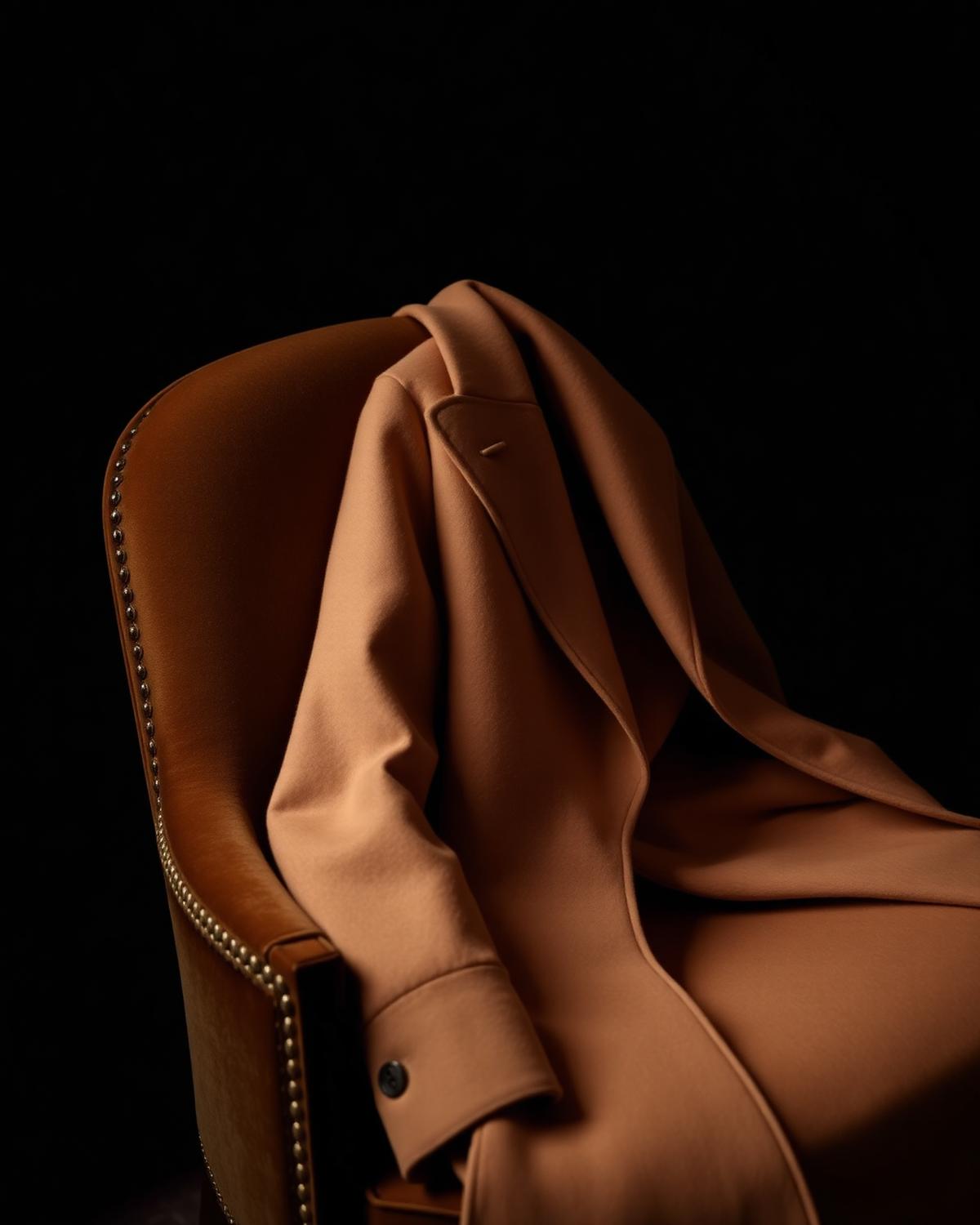
Quiet luxury is not a season or a trend — it is a posture. It is the cashmere that softens after a hundred wears, the trousers that hang from the hip because the wool is heavy enough, the loafer that ages instead of dating. The point is not to look expensive. The point is to look considered.
This is a field guide to the accessible version of that idea. Nothing here requires a wardrobe overhaul or a designer receipt — every piece can be built on a modest budget if you buy slowly, buy once, and let material do the work.
The principles
Before the list, the rules. Quiet luxury is built on four quiet assumptions: neutral palette, natural fibre, considered cut, and time. Miss any one and the whole wardrobe raises its voice.
Neutral palette means cream, ivory, camel, taupe, navy, chocolate, charcoal, black. Two colours in an outfit; three, once. Natural fibre means wool, cashmere, silk, cotton, linen, leather — the surfaces that gather patina instead of pilling. Considered cut means the shoulder sits, the trouser breaks once at the shoe, the sleeve hits the wrist bone. And time means you own the piece for a decade, not a season.
The essentials
Twelve pieces, roughly. Fewer if you can. Each one earns its place by working with the other eleven — the cashmere goes over the shirt, the shirt goes under the blazer, the blazer goes with the trouser and the loafer and the tote. A wardrobe that composes itself.
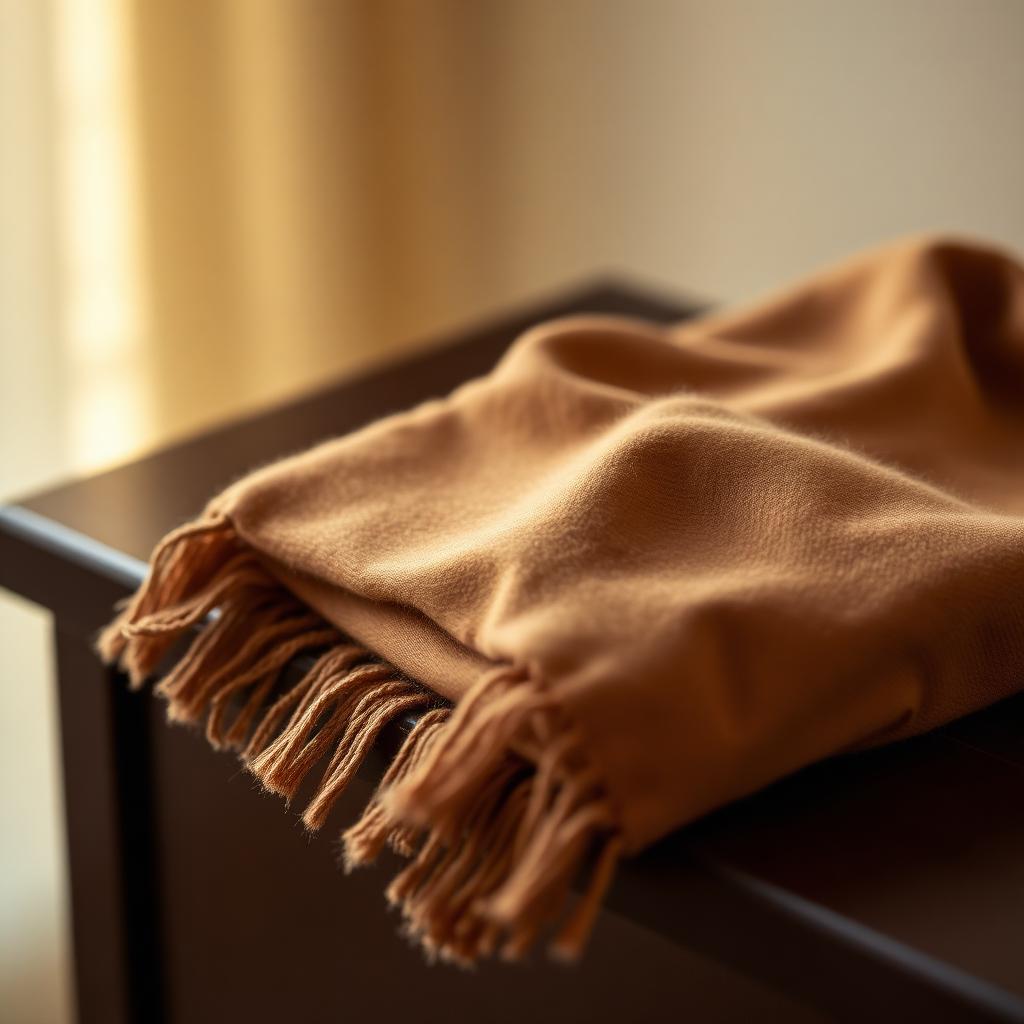
A camel scarf is the fastest way to make a plain coat look considered.
On accessibility
The received wisdom is that quiet luxury requires Loro Piana money. It does not. The received wisdom exists because the loudest wardrobes online happen to belong to people who can spend that way — the aesthetic itself is agnostic. A £90 cashmere sweater from a mill outlet in Hawick reads the same, at arm's length, as one at ten times the price. So does a merino trouser from a mid-market Italian brand. So does a lambskin loafer, if the leather is thick enough to soften rather than crack.
The trick is not the label. It is the ratio: pay for the pieces that touch your skin and hold the shape (knitwear, tailoring, shoes), and let the pieces that don't (T-shirts, jeans, weekend cottons) come from anywhere that makes them well.
Building the wardrobe
Start with one piece per quarter, not one per week. A camel scarf in January, a white cotton shirt in March, a pair of leather loafers in the summer, a navy blazer before autumn. In a year you have four pieces you'll keep for a decade — which, at ten years, is a wardrobe.
Everything else — the layering tees, the belts, the socks — is scaffolding. Buy it cheap, replace it often, and let the four anchor pieces per year do the talking.
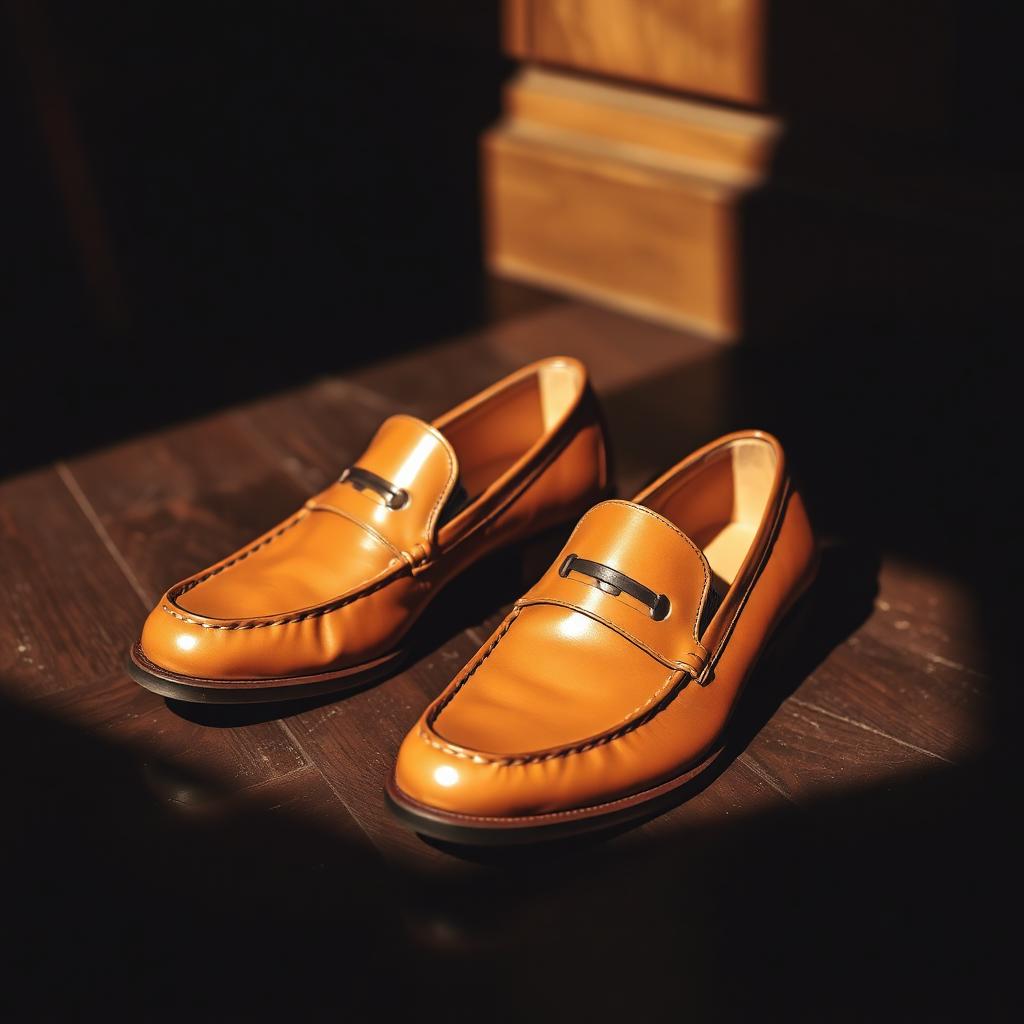
A well-made loafer is the single most quietly expensive-looking thing you can put on your feet.
The twelve pieces
Anchors are the pieces to pay for. Layers are the pieces that let the anchors do the work.
01. Camel cashmere scarf
AnchorTwo-ply, wide enough to double as a shoulder wrap on a cold train. The one piece that lifts a plain wool coat into something that looks intentional.
Accessible: Mill-outlet cashmere from the Scottish Borders is a fraction of the price and identical at the fibre level.
02. White cotton shirt
AnchorPoplin or fine oxford. Point collar, French placket, cut for the hip — not the runway.
Accessible: Mid-market Italian shirtmakers make an honest one in the €90 range. Iron it once; do not starch it.
03. Navy or charcoal wool blazer
AnchorUnstructured, single-vented, natural shoulder. Read across a linen T-shirt in July and a cashmere roll-neck in December.
Accessible: Look for high-twist wool from mills like Vitale Barberis Canonico on the label — Italian mill, non-Italian house.
04. Grey or camel wool trouser
AnchorFlat front, wool heavy enough to hang, one break at the shoe. The trouser is the difference between dressed and dressed up.
Accessible: A tailor's £40 hem is the highest-return alteration in a quiet-luxury wardrobe.
05. Cashmere crew or roll-neck
AnchorIvory, oat, or charcoal. Two-ply minimum; it will pill for the first month and then behave for a decade.
Accessible: Direct-from-mill Scottish and Mongolian labels are the accessible sweet spot; skip anything with visible branding.
06. Leather penny or horsebit loafer
AnchorFull-grain calf, blake-stitched or hand-welted, thin sole. Wear them without socks in summer and with a heavier cotton sock in the shoulder seasons.
Accessible: Portuguese and mid-market Italian makers produce excellent versions under £250; the shoe you resole is cheaper per year than the shoe you replace.
07. Structured leather tote
AnchorCognac, chocolate, or black. Large enough for a laptop, small enough not to sag.
Accessible: Vegetable-tanned leather from small European workshops ages better than luxury-house saffiano at a third of the price.
08. Wool overcoat
AnchorCamel or charcoal, single-breasted, knee-length. The one piece people see before anything else in winter.
Accessible: End-of-season sales at old-guard department stores are where the accessible overcoat lives.
09. Fine merino T-shirt
LayerWhite, oat, or navy. Reads as a T-shirt but drapes and behaves like a shirt.
Accessible: Merino from technical outdoor brands is often better made than fashion equivalents.
10. Dark, straight-leg denim
LayerRigid or lightly washed, no distressing. The only denim a quiet wardrobe needs.
Accessible: Japanese selvedge is the enthusiast's answer; a well-cut mid-market pair in a heavy denim is the accessible one.
11. Silk or cotton knit polo
LayerShort-sleeve, three-button, ribbed hem. The summer answer to the roll-neck.
Accessible: Vintage is often better than new — the cuts from twenty years ago are closer to the current silhouette than most current polos.
12. Leather belt in the shoe colour
LayerSolid brass or matte silver buckle. Match the belt to the shoe, not the trouser.
Accessible: Small saddlery workshops sell a full-grain belt for less than a designer strap costs, and it lasts three times as long.
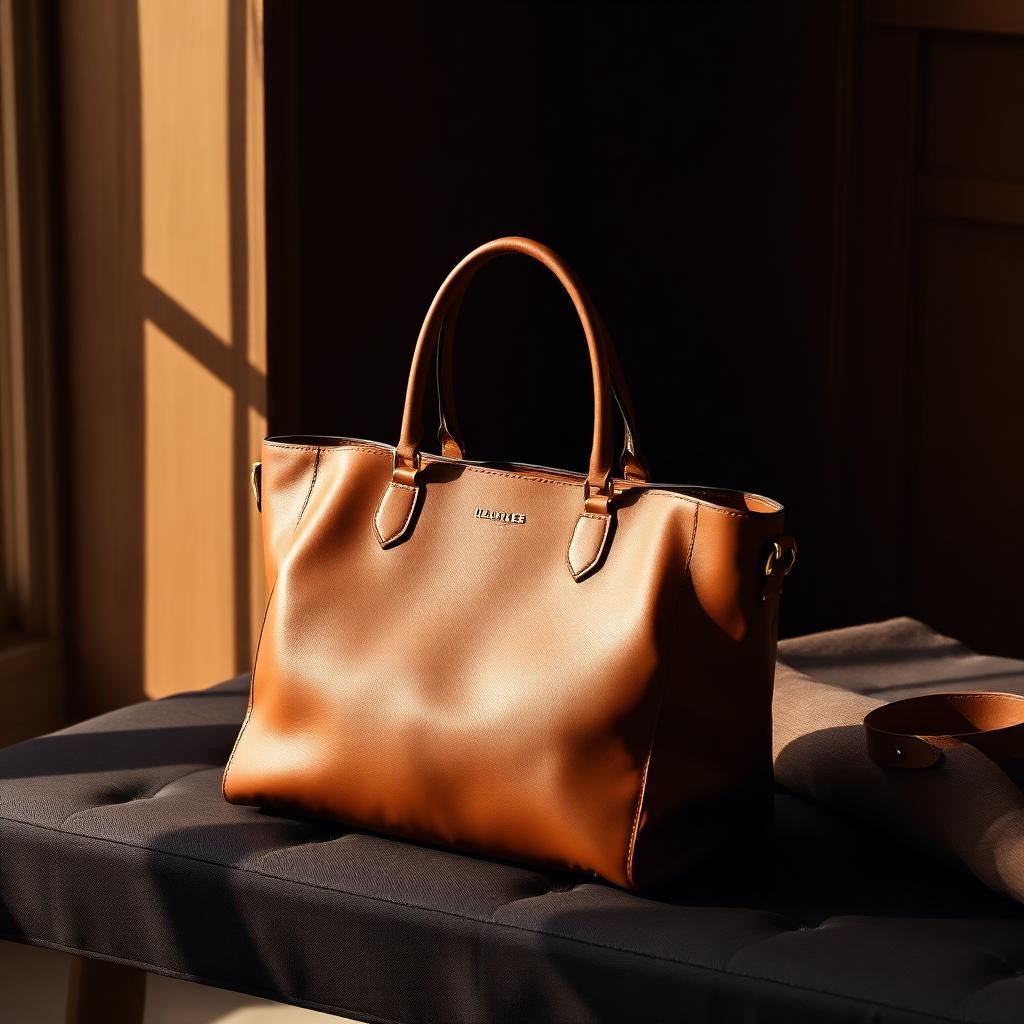
The tote is the anchor most people underestimate — it enters every outfit and leaves every outfit better.
A quiet luxury wardrobe is, more than anything, a wardrobe that is finished. You know it is finished when you stop thinking about it — when the same twelve pieces cover the year and you buy replacements, not additions.
Start with the scarf. It is the single fastest way to feel the aesthetic in your own mirror, at the smallest possible cost. Everything else will follow, one quarter at a time.